By Boujemaa Tajjiou and Navid Wali
The prevention of violent extremism and the support of processes of disengagement and de-radicalisation are among the key challenges facing security agencies, state institutions and civil society actors worldwide. Against this backdrop, international platforms for knowledge transfer are becoming increasingly important. They not only facilitate the sharing of practical experience but also enable comparative reflection on different institutional and societal approaches to the phenomenon of radicalisation.
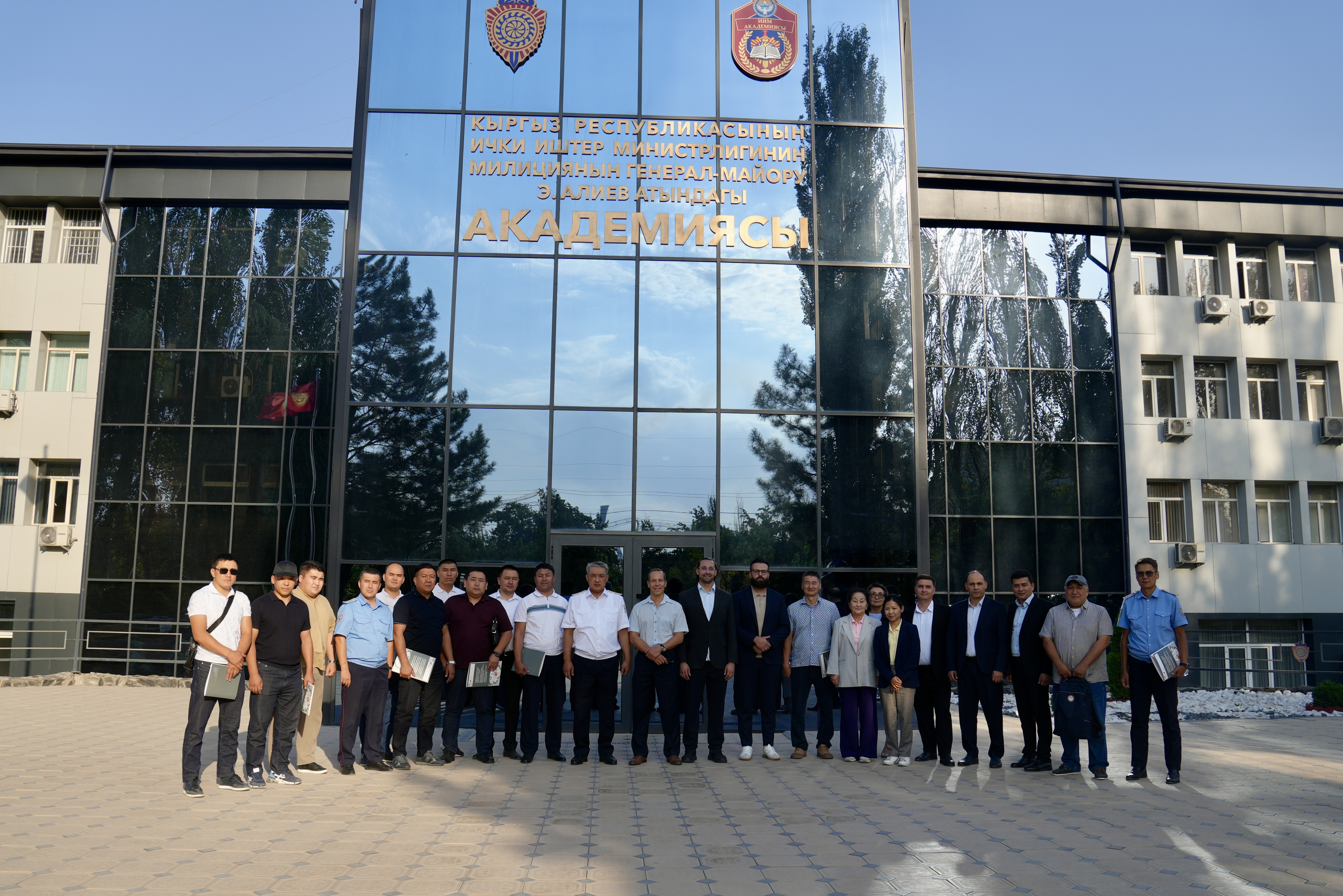
One example of such professional exchange was a two-day training session held on 17 and 18 September 2026 at the Academy of the Kyrgyz Ministry of the Interior in Bishkek as part of the PREVECA (Prevention of Violent Extremism in Central Asia) project. The event was organised by Violence Prevention Network gGmbH in cooperation with Deutsche Gesellschaft für Internationale Zusammenarbeit (GIZ) GmbH. The participants came from Kyrgyzstan and Uzbekistan and represented security agencies, government institutions, law enforcement and civil society organisations.
Radicalisation processes as a multidimensional challenge
Current academic research predominantly describes radicalisation not as a linear process, but as a complex interplay of individual, social, ideological and societal factors. Accordingly, the training focused on different explanatory approaches to the dynamics of radicalisation, as well as current manifestations of Islamist extremism. Discussions covered both structural factors and individual developmental trajectories that can contribute to a turn towards extremist ideologies.
Particular attention was paid to the question of how theoretical insights into radicalisation processes can be translated into practical prevention and intervention strategies. Participants discussed the integration of academic concepts with practical experience as a key prerequisite for developing effective approaches.
Deradicalisation: Between theory and practice
Another key focus was laid on the challenges of disengagement and deradicalisation work. Experiences from Germany were presented, particularly regarding work with radicalised and ideologically entrenched individuals within the prison system. Participants gained insights into the methodological foundations of the Violence Prevention Network’s approach, particularly the importance of sustainable working relationships and the role of the ‘Education of Responsibility®’ in supporting processes of distancing and disengagement.
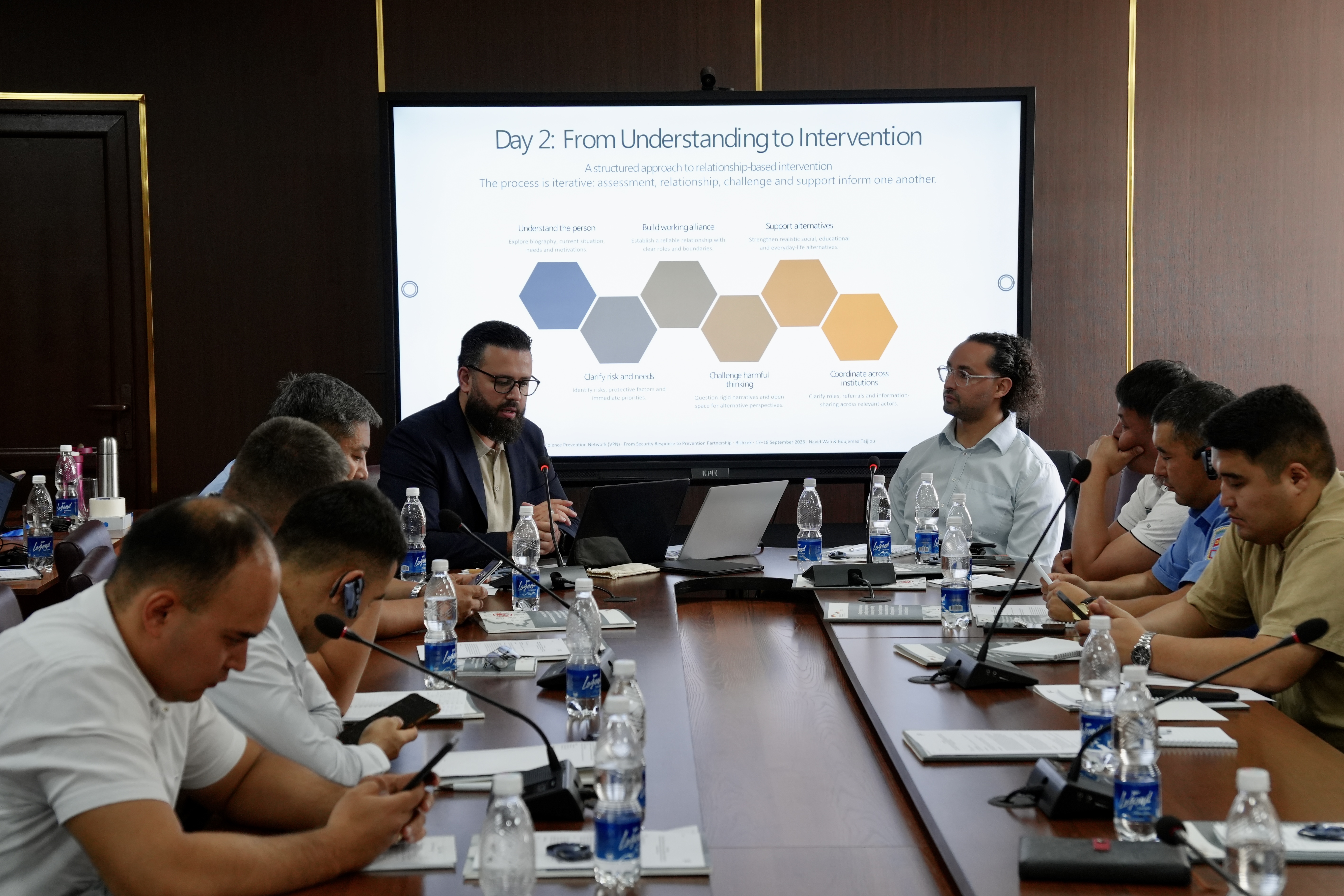
The discussion highlighted that deradicalisation cannot be understood as a one-off intervention, but rather as a long-term process that takes into account individual life stories, social relationships and prospects for social integration. Particular importance was attached to building sustainable working relationships and to resource-oriented educational approaches.
Digital communication spaces and the transmission of extremist ideology
Another area of focus concerned the role of digital media in radicalisation processes. Social networks and online platforms have significantly altered the dissemination of extremist narratives, the formation of virtual communities and the way potential followers are targeted. The analysis of Islamist online communication highlighted how digital spaces are used for ideological mobilisation, identity formation and recruitment.
This presents new challenges for prevention work. Practitioners are increasingly faced with the task of incorporating digital factors into their analyses and developing appropriate strategies to strengthen media literacy, resilience and democratic participation. The discussions made it clear that the boundaries between online and offline radicalisation are becoming increasingly blurred, and that integrated approaches are therefore necessary.
Cooperation between the state and civil society
A key theme of the exchange was the cooperation between different institutional actors. Research and practice have long indicated that the prevention of extremism can only be sustainably effective if different sectors of society work together in a coordinated manner. Accordingly, various models of cooperation between security authorities, state institutions and civil society organisations were discussed.
Particular interest centred on experiences with the involvement of independent civil society organisations in prevention and deradicalisation measures. Issues discussed included institutional roles, professional responsibilities, and the possibilities and limitations of cross-agency cooperation. The debates showed that the balance between cooperation and organisational independence is regarded as a key prerequisite for successful intervention work.
The importance of transnational learning processes
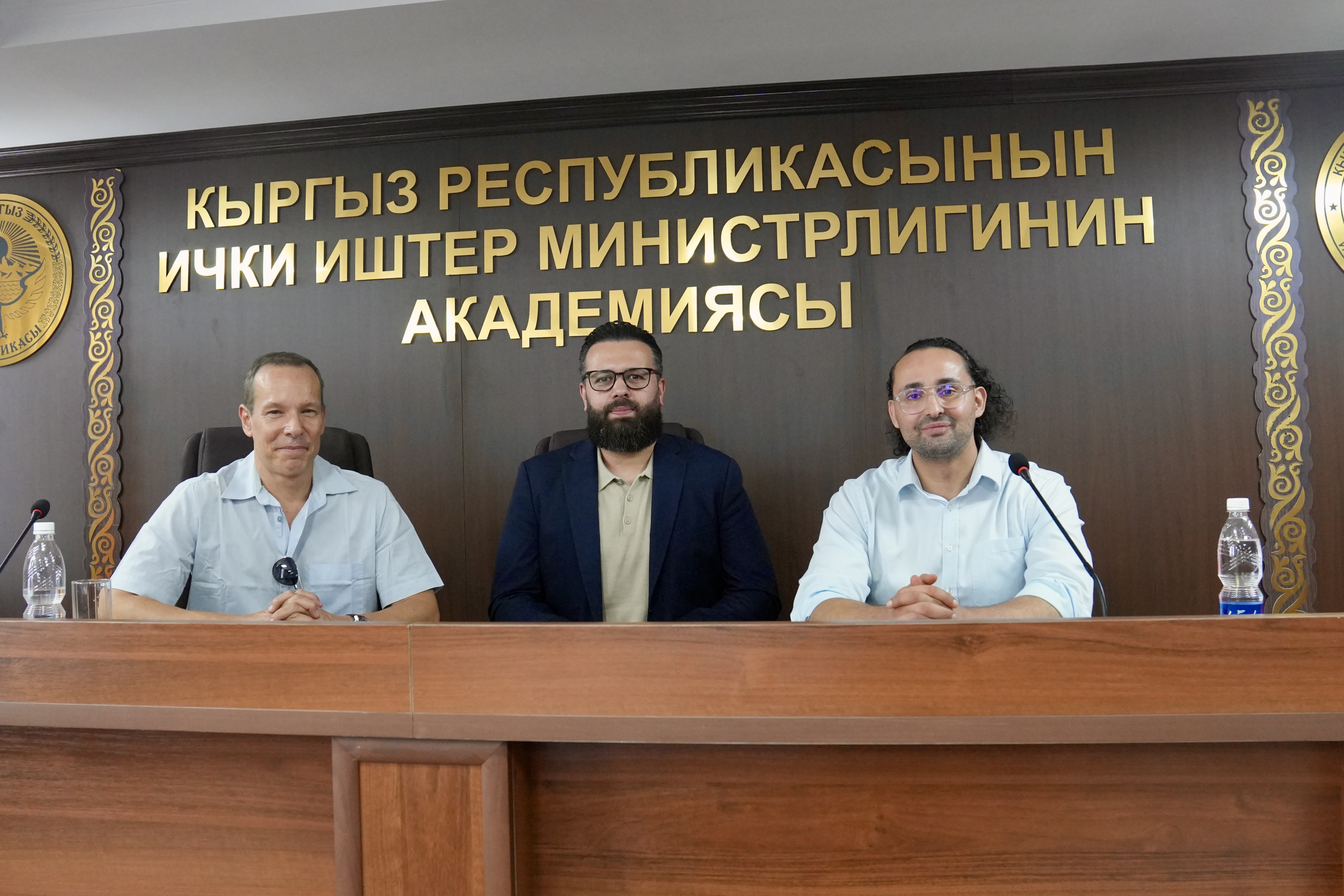
The event highlighted the relevance of international expert dialogues for the further development of prevention and deradicalisation approaches. Despite differing political, cultural and institutional contexts, many countries face comparable challenges in dealing with violent extremism. The exchange of experiences, methods and action plans can help to critically reflect on existing approaches and open up new perspectives for research and practice.
Against this backdrop, international exchange programmes can make an important contribution to the professionalisation of prevention and deradicalisation work. They promote the transfer of knowledge and experience across national borders and create spaces for joint reflection on a field of action whose social relevance is continuing to grow worldwide.
Furthermore, the training provided an opportunity to gain insights into the different working contexts of the participating institutions in Kyrgyzstan and Uzbekistan. The in-depth discussions highlighted that the prevention of extremist radicalisation is increasingly understood as a task for society as a whole, encompassing not only security policy dimensions but also educational, social and civil society dimensions.
The authors:
Boujemaa Tajjiou and Navid Wali have been working at Violence Prevention Network gGmbH for many years. Their work focuses on the prevention of extremism, deradicalisation and disengagement, as well as supporting the process of leaving extremist groups, particularly within the prison system. In addition, they are involved in national and international education and prevention work.

